Supporting the College of Ethnic Studies

Our College of Ethnic Studies (CoES), established in the fall of 1969, is the first of its kind in the United States. Many of the college founders played pivotal roles in the 1968 campus-wide protests and strikes, in which courageous students, faculty and community members demanded that institutionalized inequities at the University be reversed and addressed.
Today, the college serves 6,000 undergraduate and graduate students, including those enrolled in its Africana Studies, American Indian Studies, Asian American Studies, Latina/Latino Studies and Race and Resistance Studies departments. The college also offers a Metro College Success Program with a mission to increase equity and excellence in college completion through engaging, supportive, rigorous and socially responsive education.
The ethnic studies field is unique as an educational experience that redefines the lives of people of color from their own perspectives. This is implemented through the cooperative efforts of students, faculty and members of the community invested in meaningful education who provide resources and curricula to the University and the community at large.
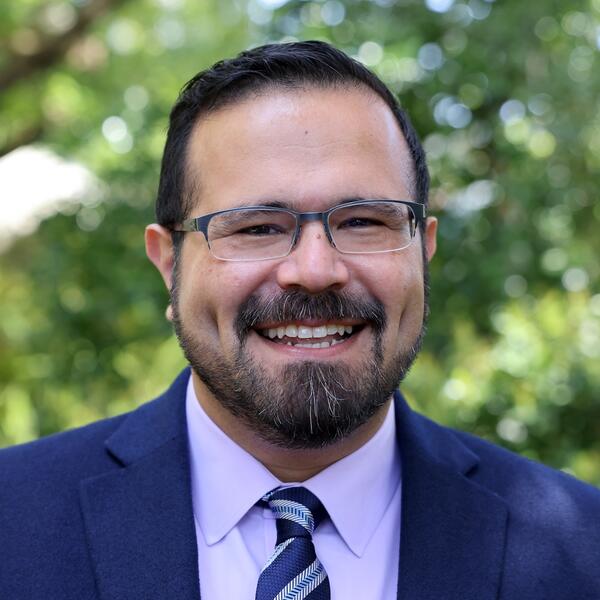
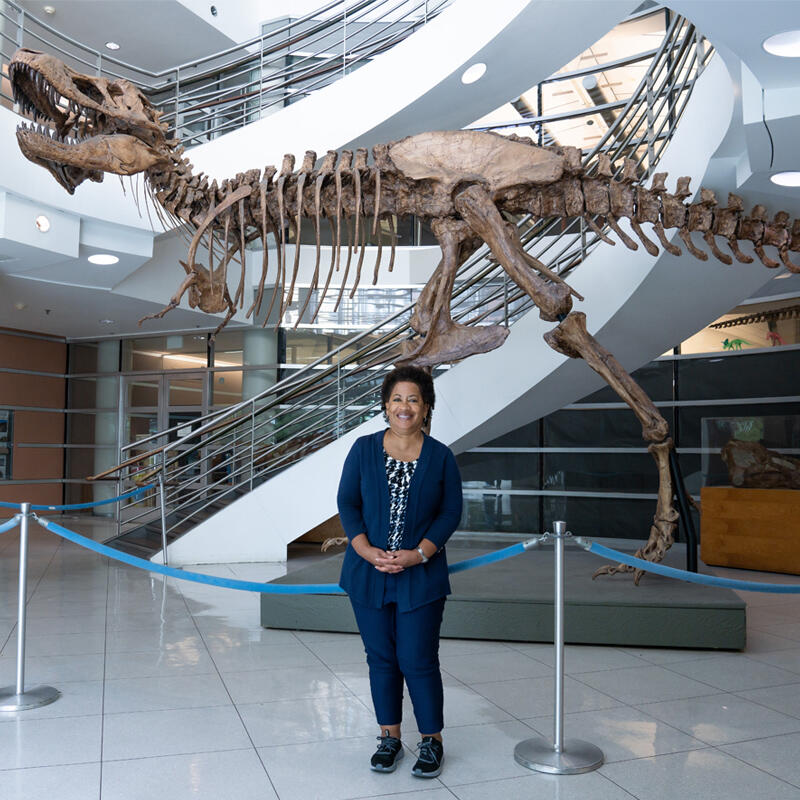
For more information about donating to the College of Ethnic Studies, contact:
A Multigenerational Family Legacy that Supports Future Students
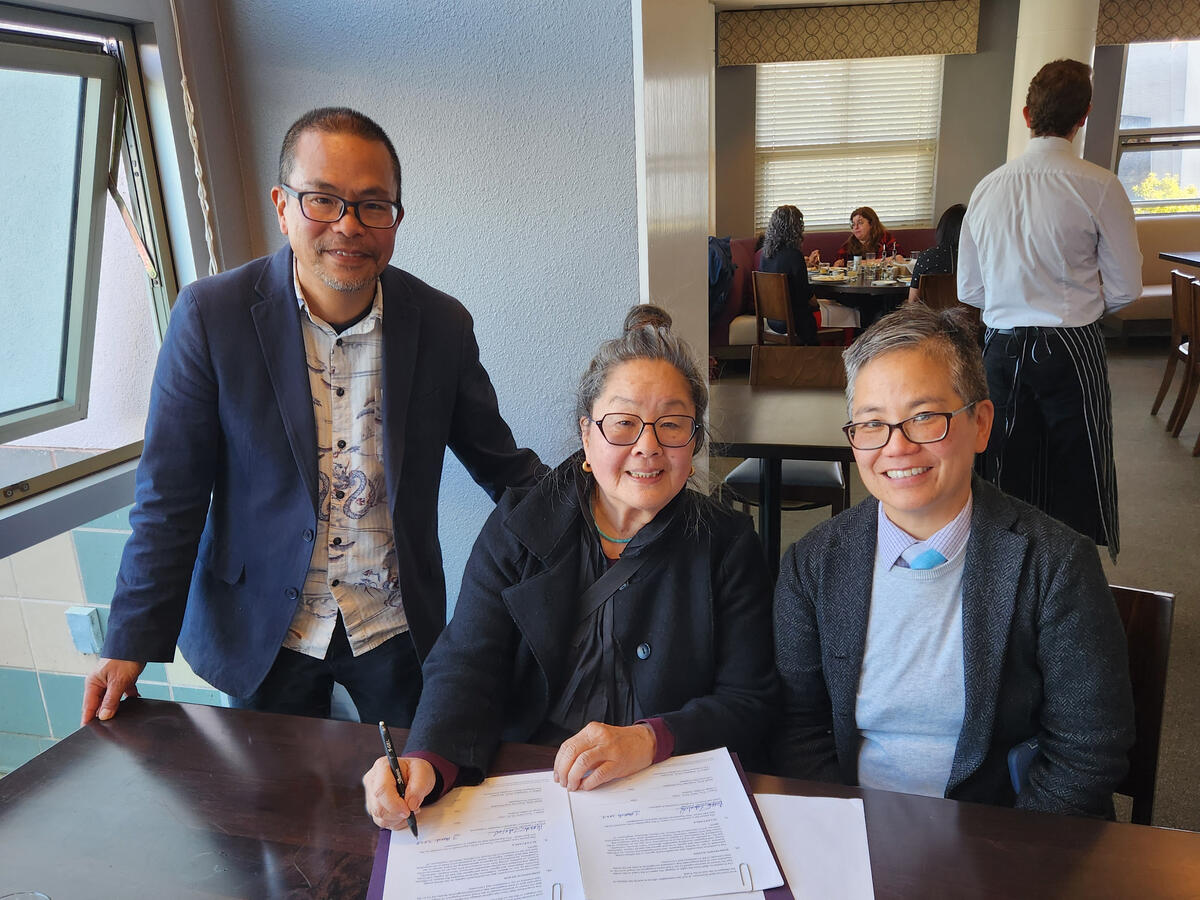
It’s been a powerful experience to honor our parents with endowed scholarships, giving my sisters and me another way to deeply reflect on their personal values and hopes for SFSU students. With the endowed scholarships and the bequest to sustain the gifts into the future, my family’s SFSU connection can extend beyond our decades of service to the University.
CoES Funding Initiatives
The historic College of Ethnic Studies prepares students to advance social justice, challenge inequities and strengthen communities through scholarship, advocacy and engaged learning.
Scholarships
The historic College of Ethnic Studies prepares students to implement a vision of social justice grounded in eliminating inequalities motivated by race and ethnicity. Scholarships directly support students, helping them to bridge gaps in financial aid, avoid debt and complete their education. Scholarships can also enable students to enrich their learning through pursuing opportunities such as professional conferences, research and internships.

Metro College Success Program
The Metro College Success Program (Metro) uses targeted outreach to support first-generation, low-income and/or historically underrepresented students in their success at SFSU through courses and a two-year learning community designed to reinforce the skills needed for college success and throughout life — writing, public speaking, critical thinking and quantitative reasoning. Students in the program receive tutoring, advising and support and develop strong academic skills

Faculty and Graduate Research Grants
These grants provide support for the M.A. programs in Ethnic Studies and Asian American Studies and make awards of $2,500 open to faculty working with graduate students in either graduate program. Faculty will use the awards for hiring graduate students to assist them with their research for 60 hours per semester. Students would receive mentorship from faculty and gain opportunities to co-publish with faculty.

CoES Graduate Student Research Fund
These scholarships and/or stipend awards will enable students to conduct their graduate research projects. Students would submit proposals for review by faculty who would make the awards and collect reports of the students’ projects for relaying impact to donors. An award of $1,500 would be nearly equivalent to working for 60 hours at San Francisco’s minimum wage.

Edison Uno Initiative for Nikkei and Uchinaanchu Studies
The Edison Uno Initiative for Nikkei and Uchinaanchu Studies (EUINUS) aims to deepen understanding of Japanese American and Okinawan diasporas in the United States. Our aim is to contribute to the intellectual and cultural life of Nikkei and Uchinaanchu communities, both locally and nationally, with an emphasis on social justice, community-building and political activism. Inspired by the life and legacy of Edison Uno — a Japanese American civil rights activist who fought for redress and reparation following WWII incarceration — the initiative advances research, education and community engagement grounded in a commitment to social justice.