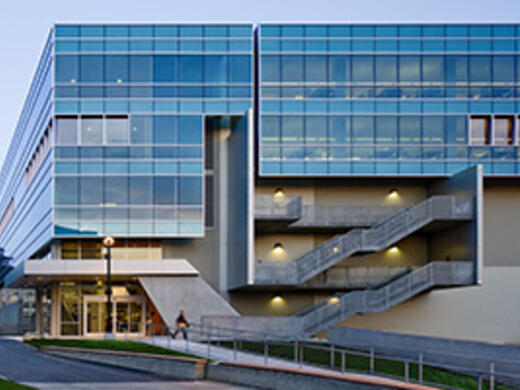
Supporting the J. Paul Leonard Library
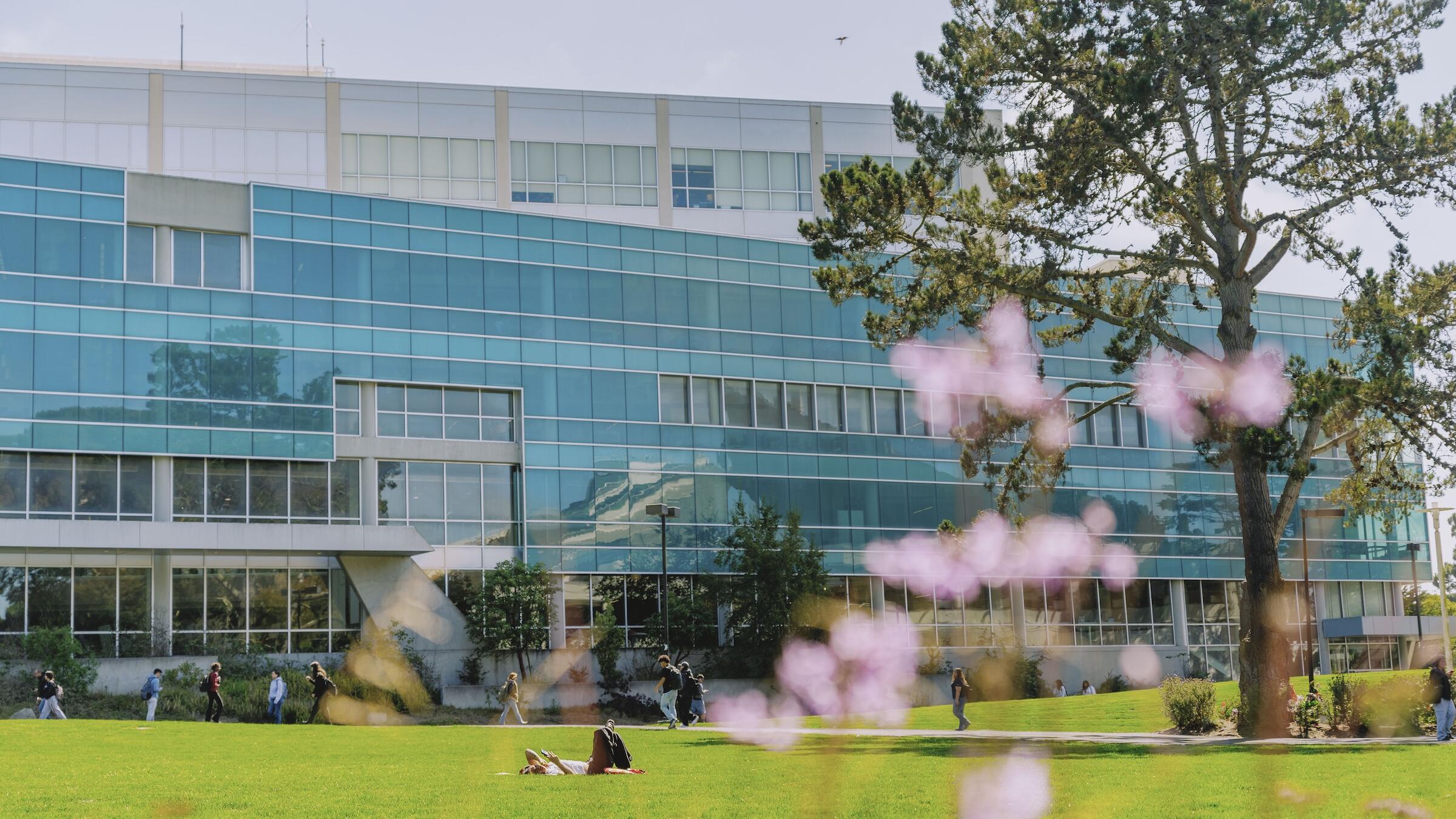
The J. Paul Leonard Library fosters student success and social justice by organizing and providing equitable access to diverse information resources; maintaining welcoming and inclusive spaces; delivering user-centered library support and research expertise that empower underserved learners; and equipping the SFSU community with tools to pursue their academic, professional and personal goals.
For more information about donating to the J. Paul Leonard Library, contact:

Alex Sánchez
Executive Director of Development
Library Funding Initiatives
The J. Paul Leonard Library advances student success by providing equitable access to information, inclusive spaces, research expertise and resources that help SFSU students learn, thrive and pursue their goals.
The Bay Area Television Archive (BATA)
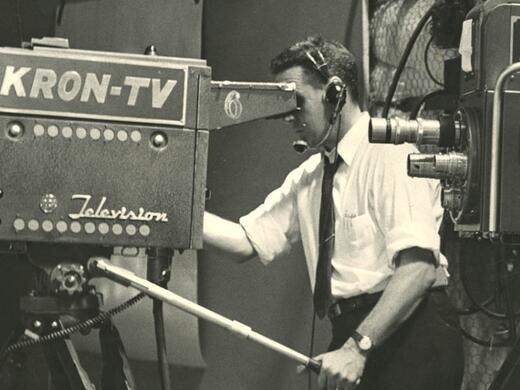
BATA’s collection of unique news footage dates from the early 1950s through the present and reflects Bay Area history, politics, culture and social change movements. BATA seeks to expand access by digitizing the collection and enhancing its descriptive metadata, allowing for increased visibility and potential partnerships (including revenue-generating collaborations). Currently, only about 5% of the collection’s more than 4,000 hours of footage has been digitized.
Digitization will expedite the delivery of BATA’s historic footage for students, faculty, independent researchers, local news stations and documentary filmmakers and will help ensure its preservation. Considering much of the material in the archive was never actually broadcast, this collection has distinctively rare value for teaching and scholarship as a primary source.
Enhanced Library Technology & Resources Initiative
The Library, including its many group study spaces and a popular cafe, is among the University’s highest-trafficked facilities for student life, learning, research and technology-driven educational approaches.
The Enhanced Library Technology & Resources Initiative will ensure that the library thrives at the forefront of technological developments and applications. Academic Technologies will support new methods of acquisition and delivery (e.g., patron-driven/demand-driven acquisition of electronic books and streaming media) while the Digital Media Studio makerspace will meet increased demand for three-dimensional production by students and faculty.